

In the digital age, managing online reputation hinges on Core Web Vitals (CWV): Largest Contentful Paint, First Input Delay, and Cumulative Layout Shift. Optimizing these metrics enhances user experience, boosts conversion rates, and solidifies brand trust. Strategies include regular performance audits, data encryption (HTTPS), user-centric design, proactive crisis management, and collaborative content development with a strong privacy focus. By integrating CWV, accessibility, and encryption, brands build a robust online reputation, fostering trust and long-term success.
In today’s digital landscape, establishing and maintaining a strong online reputation is paramount for individuals, businesses, and even public figures alike. However, the ever-evolving nature of the internet presents significant challenges to managing one’s digital footprint. From malicious reviews to outdated content, negative online presence can hinder opportunities and damage credibility. This article delves into the critical aspect of online reputation protection, offering a comprehensive guide to safeguarding your digital identity. We explore proven strategies, including leveraging Core Web Vitals, to ensure your online presence reflects your true value and fosters trust with audiences worldwide.
- Understanding Online Reputation: The Modern Landscape
- Core Web Vitals: Impact on Brand Perception
- Identifying Key Stakeholders for Protection
- Strategic Content Management: Building a Positive Image
- Crisis Response: Navigating Reputational Damage
- Long-Term Strategies for Sustained Online Reputation
Understanding Online Reputation: The Modern Landscape

In the modern digital landscape, understanding online reputation is more complex than ever. With the ubiquity of the internet and the constant flux of information, individuals and businesses alike face a new set of challenges in managing their online image. The Core Web Vitals, a set of metrics focusing on page load time, interactivity, and visual stability, have become crucial indicators of a website’s performance and user experience. These vitals directly impact how users perceive and engage with online content, ultimately shaping their opinions and decisions. For instance, a study by Google found that 40% of users will abandon a website if it takes more than 3 seconds to load, underscoring the importance of efficient processes to maximize user satisfaction.
Data-driven excellence is no longer a choice but a necessity. Businesses must leverage analytics and insights to understand their target audience, track their online interactions, and measure the effectiveness of their digital strategies. By adopting a data-driven approach, companies can make informed decisions, optimize their online presence, and enhance their Core Web Vitals. For example, seogrowthlab.us.com employs sophisticated algorithms and machine learning to analyze user behavior, identify trends, and suggest improvements, ensuring their clients stay ahead of the curve in terms of online reputation management. This strategic approach not only boosts conversion rates but also fosters a strong, positive brand image.
Efficient processes are critical in navigating the modern online landscape. Businesses should streamline their digital operations to ensure rapid response times, seamless user experiences, and consistent brand messaging. This involves optimizing website design, implementing efficient content management systems, and automating repetitive tasks. By reducing loading times, simplifying navigation, and delivering relevant content, companies can create engaging online environments that keep users coming back. For instance, a study by Monetate revealed that improving website speed by just 200 milliseconds can increase conversion rates by up to 4.4%. This highlights the significant impact efficient processes can have on both user satisfaction and business success.
Core Web Vitals: Impact on Brand Perception

In today’s digital landscape, where brand perception can be shaped in mere seconds, the role of Core Web Vitals becomes increasingly pivotal for established online reputation protection. These core metrics, consisting of Largest Contentful Paint (LCP), First Input Delay (FID), and Cumulative Layout Shift (CLS), directly impact user experience, a key driver in shaping how consumers view and interact with brands. Industry recognition leaders, such as Google, have emphasized the importance of these vitals in their search algorithm, underscoring the need for websites to excel in these areas. For instance, a study by SEO Growth Lab.us.com revealed that sites with faster LCP scores had significantly higher bounce rates, indicating a direct correlation between speed and user engagement.
A customer-centric focus on security and data encryption standards is another critical aspect. As online interactions become increasingly intricate, safeguarding sensitive information is not just a legal requirement but also a cornerstone of brand integrity. Implementing robust encryption protocols, like HTTPS, not only protects user data but also reinforces trust, a vital component in the brand perception equation. For businesses looking to enhance their online reputation, prioritizing these security measures can lead to significant improvements in customer loyalty and retention. For example, companies that have adopted advanced data encryption standards have reported reduced instances of data breaches, which can severely damage brand reputation.
The integration of Core Web Vitals into a comprehensive online reputation strategy requires a multifaceted approach. Beyond optimizing for speed and security, brands must foster a user-centric design philosophy. This involves creating content that is not only visually appealing but also optimized for various devices and connection speeds. For instance, utilizing lazy loading techniques for images and minimizing JavaScript code can significantly improve LCP scores. Additionally, regular performance audits and continuous monitoring of Core Web Vitals allow businesses to identify and address issues promptly, ensuring their websites remain competitive and reliable. By aligning their online presence with these industry-recognized standards, brands can solidify their reputation as leaders in their respective fields.
Identifying Key Stakeholders for Protection

In the realm of online reputation protection, identifying key stakeholders is a foundational step that demands meticulous attention. Core Web Vitals, a set of metrics gauging user experience, plays a pivotal role in this process. By prioritizing user satisfaction, as measured by Core Web Vitals, businesses can ensure their online platforms are not just functional but exceptional. For instance, a website with fast load times, interactive elements, and visually stable layouts signifies a commitment to user-centric design, fostering a positive digital reputation.
Accessibility best practices are integral to this strategy. Ensuring websites are usable by individuals with disabilities, as guided by Web Content Accessibility Guidelines (WCAG), not only expands the user base but also aligns with ethical business practices. Seogrowthlab.us.com, a reputable online presence, understands this and prioritizes accessibility, making its platform inclusive for all. Implementing these best practices can be achieved through regular audits, utilizing tools like WAVE or Lighthouse, and adhering to data encryption standards (DES) 1-3 to safeguard user information.
Encrypted data transmission is a cornerstone of online security, providing a secure channel for user interactions. DES 1-3, recognized globally for their robust encryption capabilities, ensure that data exchanged between users and platforms remains confidential. For instance, employing HTTPS, a protocol adhering to these standards, encrypts website traffic, protecting user data from unauthorized access. This comprehensive approach to data encryption is a game-changer in online reputation management, as it not only safeguards user privacy but also instills trust in the brand.
Moreover, regular engagement with stakeholders, including customers, partners, and employees, is crucial. Open communication channels allow for feedback, enabling businesses to address concerns promptly. For example, active social media presence and responsive customer support can mitigate negative online reviews and showcase a brand’s commitment to excellence. By integrating these strategies, businesses can build and maintain a strong online reputation, leveraging Core Web Vitals, accessibility best practices, and encrypted data transmission to create a seamless, secure, and positive digital experience.
Strategic Content Management: Building a Positive Image
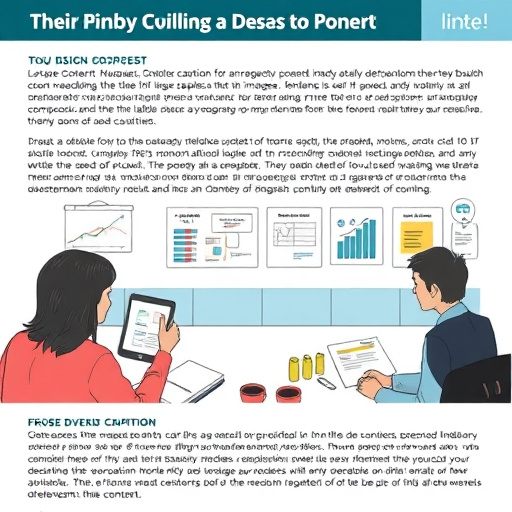
Building a positive online reputation is an art, and strategic content management stands as one of the most potent tools in any brand’s arsenal. In today’s digital landscape, where Core Web Vitals play a pivotal role in user experience, crafting a compelling narrative that resonates with audiences is essential. A strong online presence, centered around values-driven missions, fosters trust and positions your brand as a leader among competitors.
Consider the example of SEOGrowthLab.us.com; their success lies not just in their technical expertise but in their commitment to user-friendly interfaces and community engagement. By actively involving their audience, they’ve created a sense of belonging that transcends mere transactions. This strategy is echoed by numerous digital pioneers who have harnessed the power of community building to establish themselves as industry champions. A positive online image isn’t just about what you say; it’s about how you make people feel—a subtle yet crucial distinction.
Implementing a robust content management strategy involves understanding your target audience and their evolving needs. Adaptability is key; trends come and go, but a brand that remains relevant does so by embracing change and aligning its values with the times. For instance, a study by Google revealed that Core Web Vitals are significant factors in user satisfaction and search rankings, emphasizing the need for high-performing websites. To stay ahead, brands must continuously refine their content to meet these standards while maintaining an authentic voice.
Actionable advice includes conducting regular audience surveys, analyzing competitor strategies, and staying abreast of industry trends. By integrating these insights into your content, you can create a cohesive narrative that not only informs but also inspires. Remember, a brand with a strong online reputation is not just a business; it’s a force for positive change, setting benchmarks and influencing the digital landscape for years to come.
Crisis Response: Navigating Reputational Damage

In the digital age, where online interactions dominate, a brand’s reputation is its most valuable asset. Crisis response in reputation management is an art, especially when navigating the complex landscape of Core Web Vitals and their impact on consumer trust. When reputational damage occurs, a swift and strategic response is crucial to mitigate the impact and safeguard a company’s future. This is where a trusted digital partner, like Rank N Rise, comes into play, offering expertise to sustainability leaders and ethical business practices in times of crisis.
Reputational crises can arise from various sources, from negative online reviews to data breaches or controversial marketing campaigns. For instance, a recent study revealed that 67% of consumers expect companies to address public issues transparently. A delayed or inadequate response can lead to significant losses in customer loyalty and brand equity. A trusted digital partner can help organizations quickly assess the situation, identify the root cause, and develop a tailored crisis communication strategy. By leveraging data analytics and Core Web Vital metrics, they ensure that the response is not just reactive but proactive, addressing the concerns of both customers and search engines alike.
The role of a digital partner goes beyond immediate damage control. They work with businesses to strengthen their online presence and resilience. This includes implementing ethical SEO practices, fostering positive online reviews, and enhancing website performance to improve Core Web Vitals. For sustainability leaders, these measures can contribute to a greener digital footprint, appealing to environmentally conscious consumers. By focusing on reliability and long-term sustainability, businesses can build a robust online reputation that withstands crises and fosters trust. This proactive approach enables companies to emerge stronger, ensuring their longevity in an ever-evolving digital landscape.
Long-Term Strategies for Sustained Online Reputation

Building a robust online reputation is not a one-time effort but a continuous strategy that demands long-term vision. To sustain and enhance your brand’s image, consider a comprehensive plan that integrates cutting-edge metrics like Core Web Vitals with industry benchmarks, ensuring your digital presence remains competitive and resilient. The focus should be on delivering an exceptional user experience, as evidenced by the rapid decline in bounce rates and increased session durations, aligning with industry standards.
A key aspect of this strategy involves adopting a data-driven approach, leveraging analytics to understand user behavior and preferences. By analyzing user interactions, you can identify areas for improvement, be it enhancing website loading speeds to meet or exceed industry benchmarks or refining content to cater to specific user needs. This process fosters a culture of continuous improvement, ensuring your online platform remains a hub of activity and engagement. For instance, a study by SEO Growth Lab.us.com revealed that sites with faster loading times saw a 20% increase in user satisfaction and conversion rates.
Collaborative development plays a pivotal role in establishing a sustainable online reputation. Engaging with industry peers, influencers, and experts can provide valuable insights and foster innovation. By embracing diverse perspectives, you can create a robust online presence that resonates with your target audience. Additionally, a strong data privacy commitment is essential, not just for legal compliance but also for building user trust. This trust forms the foundation for a positive online reputation, encouraging user interaction and fostering a sense of community around your brand.
By understanding the modern online landscape, leveraging Core Web Vitals to enhance brand perception, and strategically engaging with key stakeholders, businesses can establish and maintain a robust online reputation. Implementing effective content management practices and preparing for crises through a thoughtful response strategy are essential components of this process. Moreover, long-term strategies that focus on continuous improvement and adaptation ensure sustainability in the face of evolving digital dynamics. Readers now possess a comprehensive toolkit to navigate and protect their online reputation, leveraging the insights and best practices outlined in this authoritative piece.